《謊言的囚徒》:被中國監禁20年的中情局特工
The Spy America Left to Rot

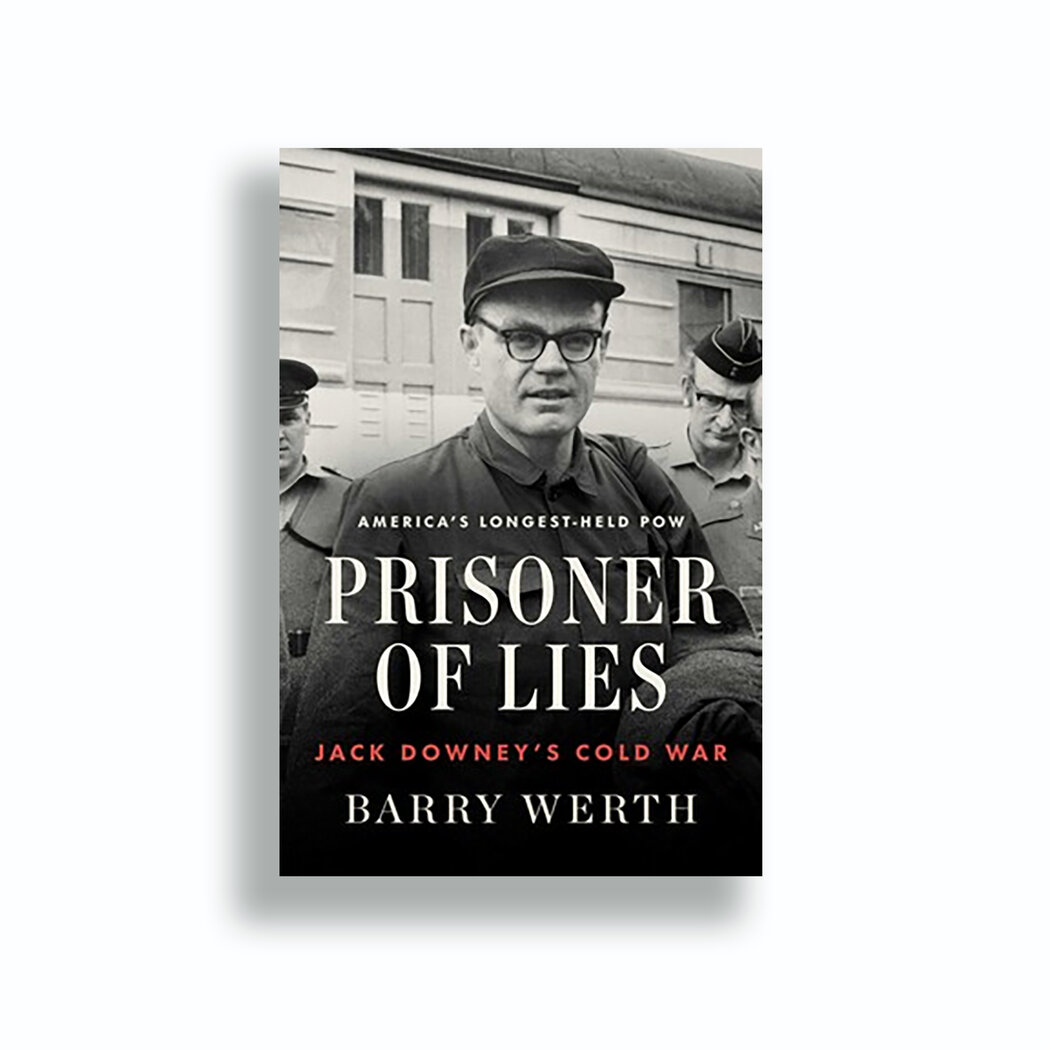
PRISONER OF LIES: Jack Downey’s Cold War, by Barry Werth
《謊言的囚徒——傑克·唐尼的冷戰》(Prisoner of Lies: Jack Downey’s Cold War),巴里·沃斯著
At the height of the Cold War, C.I.A. pilots carried a silver dollar attached to a poison-tipped stickpin. Their handlers encouraged them, if their planes went down, to use the pin on themselves to avoid betraying their country.
在冷戰的高峰期,中情局的飛行員會隨身攜帶一枚銀元,上面附有一枚毒針。上司鼓勵他們,如果飛機墜毀,就把毒針用在自己身上,以免背叛國家。
Of course, not every spy heeded this advice. In the spring of 1960, the Soviet military shot down the American U-2 pilot Francis Gary Powers and captured him alive, leaving President Dwight D. Eisenhower caught in a quandary. His administration initially issued a false cover story but quickly regretted it. “When the world can entertain not the slightest doubt of the facts,” Eisenhower later recalled, “there is no point trying to evade the issue.” Less than two years after Powers was captured, he crossed the Glienicke Bridge from East Germany to freedom as part of a prisoner swap.
當然,並不是所有間諜都聽從了這個建議。1960年春天,蘇聯軍方擊落了一架美國U-2飛機,活捉了飛行員弗朗西斯·加里·鮑爾斯,這讓艾森豪威爾總統陷入了兩難境地。政府最初發布了一個虛假的說法來試圖掩蓋,但很快就後悔了。艾森豪威爾後來回憶說:「當世人對事實沒有絲毫懷疑時,就沒有必要再迴避問題了。」鮑爾斯被俘後不到兩年,作為囚犯交換的一部分,從東德穿過格列尼克橋獲得自由。
Yet amid the hubbub of Powers’s release, another American spy continued to languish, largely forgotten, in foreign captivity. Jack Downey, a Connecticut-bred and Yale-educated nephew of the singer Morton Downey, was 22 in 1952, when Chinese troops shot down his C-47 over Manchuria during the Korean War.
然而,在鮑爾斯獲釋的喧鬧聲中,另一名美國間諜繼續在國外忍受囚禁,幾乎被人們遺忘。傑克·唐尼是歌手莫頓·唐尼的侄子,出生於康乃狄克州,畢業於耶魯大學。1952年,朝鮮戰爭期間,中國軍隊在滿洲上空擊落了他駕駛的C-47飛機,當時他22歲。
廣告
Although Downey confessed his identity as a C.I.A. operative to his captors after 16 days, the U.S. government refused to acknowledge his mission for more than two decades. Downey would ultimately become the longest-held prisoner of war in American history, until President Nixon negotiated his release and Downey finally departed his cell in 1973 wearing a Mao suit and a Boston Red Sox baseball cap.
儘管唐尼在16天後向俘虜他的人坦白了自己中情局特工的身份,但美國政府20多年來一直拒絕承認他的任務。唐尼最終成為美國歷史上被關押時間最長的戰俘,直到1973年尼克森總統通過談判讓他得到釋放,唐尼終於穿著中山裝,戴著波士頓紅襪隊的棒球帽離開了牢房。
“Prisoner of Lies,” Barry Werth’s thoughtful and engaging narrative of Downey’s life and captivity, gallops along from Downey’s school days in the 1940s all the way through the rise of Donald Trump as a public figure in the 1980s. (Downey died in 2014.)
在《謊言的囚徒》中,巴里·沃斯對唐尼的生活和囚禁做了縝密而引人入勝的敘述,從唐尼1940年代的學生時期開始,一直到1980年代唐納德·川普成為公眾人物。(唐尼於2014年去世。)
Werth, the author of several other histories and a finalist for the National Book Critics Circle Award for “The Scarlett Professor,” is an elegant writer, and a virtue of this book is that it situates Downey’s personal drama in the context of his times, which stretch across the American Century and beyond. It is a reminder of just how intertwined foreign and domestic policies can be; we see in detail how the populist xenophobia of the McCarthy era, the excesses of the Cultural Revolution and the student protests of the Vietnam War conditioned and confined the maneuvering of spies, diplomats and politicians.
沃斯是一個文筆優美的作家,曾創作多部歷史著作,並以《斯卡利特教授》(The Scarlett Professor)入圍美國國家書評人協會獎。本書的一個優點是將唐尼的個人經歷置於他所處的時代背景中,這個時代跨越了美國世紀,甚至更遠。它提醒我們外交政策和國內政策如何交織在一起的;我們在書中可以詳細看到麥卡錫時代的民粹主義仇外心理、文化大革命的過激行為,以及越南戰爭期間的學生抗議活動如何制約和限制間諜、外交官和政治家的行動。
Werth’s book, which draws heavily on Downey’s own posthumously published memoir, shares something of the appeal of Laura Hillenbrand’s World War II survival story “Unbroken” — a tale of resilience in the face of almost unthinkable misfortune. Downey battled foot-long intestinal worms that writhed like cobras. He read Tolstoy’s “War and Peace” all the way through seven times. The occasional games of badminton or quoits turned into hypercompetitive grudge matches into which he and his fellow prisoners channeled all their frustrations.
When he was first taken prisoner, he most feared that he would somehow lose his personality under the pressures of captivity. But he comes to recognize that in “the final analysis, you are what you are, and nobody can get to the deepest recesses of your soul.”
剛被囚禁時,他最擔心的是在囚禁的壓力下,他會以某種方式失去個性。但他逐漸認識到,「歸根結底,你就是你,沒有人能觸及你靈魂的最深處。」
Other aspects of Downey’s story are far less uplifting. His mission — to covertly train a Chinese “third force” loyal to neither Mao nor the nationalist leader Chiang Kai-shek — was misguided from the start. The ignorance of the young men charged with this task was breathtaking. In 1950, when Downey heard the news that the Korean War had broken out, he and his friends asked each other, “Where the hell is Korea?”
唐尼故事的其他方面遠沒有那麼令人振奮。他的任務是祕密訓練一支既不忠於毛澤東也不忠於國民黨領袖蔣介石的中國「第三勢力」,該任務從一開始就誤入了歧途。負責該任務的年輕人的無知程度令人震驚。1950年,當唐尼聽到朝鮮戰爭爆發的消息時,他和朋友們互相詢問:「朝鮮到底在哪裡?」
Tactically, his mission’s exfiltration scheme was harebrained; it involved flying over a Chinese informant wearing a contraption made of aluminum poles and nylon rope, dangling a hook from the plane to catch the rope, then yanking the informant into the air, Werth writes, “like a marlin at the end of a fishing line.” Over the years, the C.I.A.’s efforts to penetrate mainland China through covert action of this kind were almost entirely unsuccessful.
從戰術上講,他所執行的撤出方案非常荒謬:它飛到一名中國線人頭頂,線人穿戴著由鋁桿和尼龍繩製成的裝置,飛機放下一個鉤子抓住線人身上的繩子,然後把線人拉到空中,沃斯寫道,「就像釣馬林魚一樣」。多年來,中情局通過這類祕密行動滲透中國大陸的努力幾乎完全失敗。
廣告
Mao and his deputies were guilty of their own clumsy statecraft and spy work. Shortly before Downey flew his mission, Mao wrote to Stalin complaining — incorrectly — that American pilots had dropped “black flies, fleas and lice” on Chinese soldiers in North Korea. (“The American imperialists in Korea have systematically and deliberately disseminated the bacilli carriers,” he told his Soviet counterpart.) After Downey was captured and confessed, his Chinese interrogators revealed that they did not really understand the structure of the American intelligence apparatus. The C.I.A. was still in its infancy, and his captors found it difficult to grasp why the U.S. would operate a second intelligence agency separate from its military.
毛澤東和手下在國家治理和間諜工作方面也失誤連連。在唐尼執行任務前不久,毛澤東寫信給史達林,(錯誤地)抱怨美國飛行員在朝鮮向中國士兵投擲了「黑蠅、跳蚤和虱子」。(「在朝鮮的美帝國主義者有計劃地蓄意散布桿菌攜帶者,」他告訴蘇聯領袖。)在唐尼被捕並認罪後,他的中國審訊人員透露,他們並不真正了解美國情報機構的結構。當時的中情局還處於起步階段,逮捕唐尼的人很難理解,為什麼美國要在軍方之外設立第二個情報機構。
What Beijing sought more than anything was an admission of guilt — an acknowledgment that Downey had indeed been a spy. Werth faults the “crusading Christian-nationalist” brothers Allen and John Foster Dulles, who headed the C.I.A. and State Department in the ’50s, for refusing to puncture the righteous outrage of the American public and admit Downey’s true role.
北京最希望看到的是唐尼認罪——承認自己確實是一名間諜。沃斯指責50年代擔任中情局局長和國務卿的艾倫·杜勒斯和約翰·福士特·杜勒斯兄弟是「基督教民族主義十字軍」,他們拒絕承認唐尼的真實角色,不想讓美國公眾的義憤泄氣,。
Only Downey himself comes across as sensible. “I think it’s just as well not to put in time trying to overthrow other people’s governments if you’re not in a state of war with them,” he tells a C.I.A. psychologist after his release. It is moments like these, above all, that provide a glimpse of Downey’s true character and courage.
只有唐尼本人表現得很理智。「我認為,如果你沒有和別人處於戰爭狀態,最好不要花時間去推翻他們的政府,」他在獲釋後對中情局的一名心理學家說。最重要的是,正是這樣的時刻,讓我們得以一窺唐尼的真實性格和勇氣。
PRISONER OF LIES: Jack Downey’s Cold War | By Barry Werth | Simon & Schuster | 422 pp. | $30.99
《謊言的囚徒——傑克·唐尼的冷戰》|巴里·沃斯|西蒙與舒斯特出版社|422頁|30.99美元


