習近平持續清洗軍方凸顯深層不安與擔憂
Xi’s Military Purges Show Unease About China’s Nuclear Forces
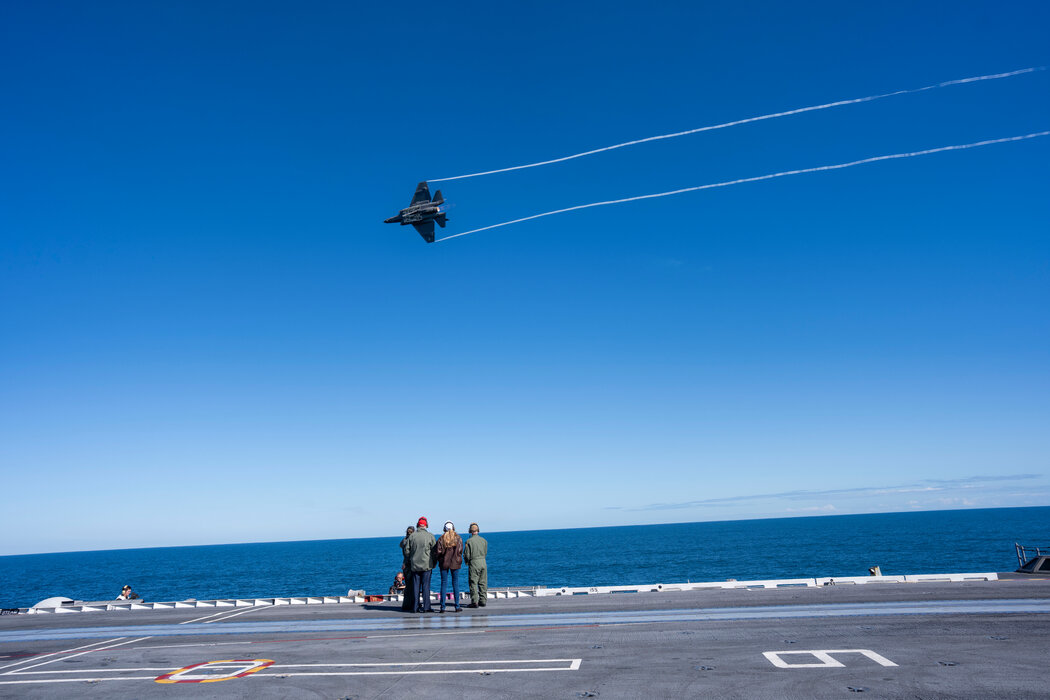
China’s nuclear forces are expanding quickly. Yet behind that rise, the top leader Xi Jinping’s sweeping purge of generals and military leaders has exposed deep-seated corruption and raised questions about the country’s ability to manage its growing arsenal.
中國的核力量正在迅速擴張。然而,在這股上升勢頭背後,最高領導人習近平對將領和軍事領導人的大規模清洗暴露了根深蒂固的腐敗問題,並令人們質疑中國能否有效管理日益擴大的核武庫。
The uncertainty adds to concerns about a new era of volatility in global nuclear politics, as President Trump has called for renewed U.S. testing and as Washington is also pushing through major changes in its military.
這種不確定性加劇了人們對全球核政治動盪新時代的擔憂,如今川普總統已呼籲美國重新進行核試驗,華盛頓也在推動其軍隊的重大改革。
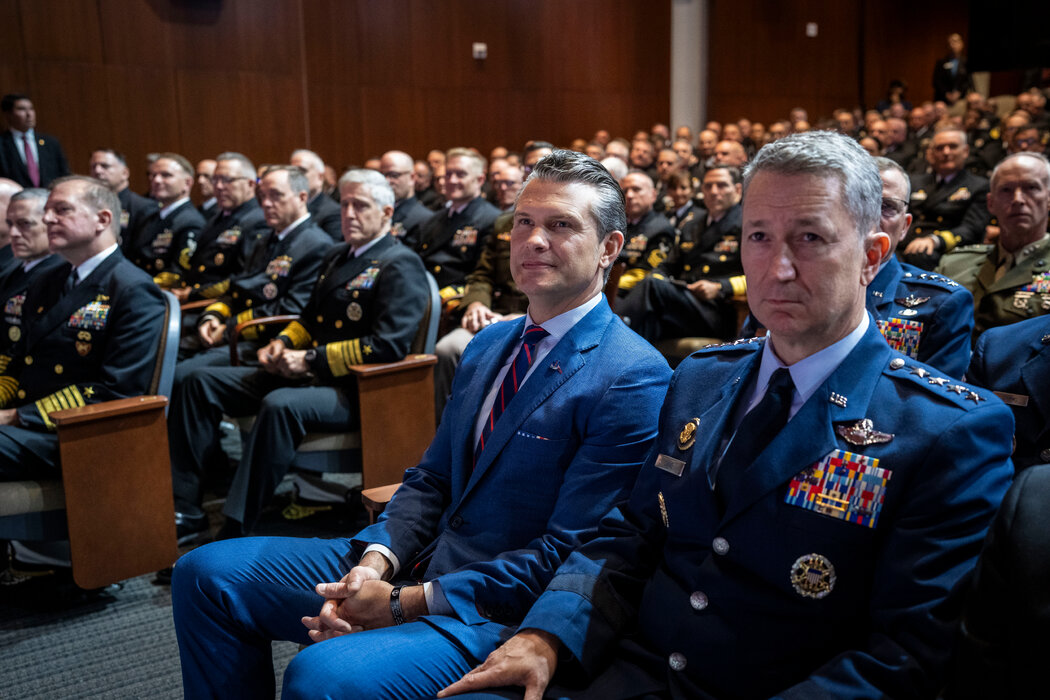
President Trump’s defense secretary, Pete Hegseth, has fired or sidelined at least two dozen generals and admirals over the past nine months, actions that are without precedent in recent decades, and have come with little explanation. The shake-up has raised fears of growing political interference in a military that has long prided itself on being apolitical.
在華盛頓,川普總統的國防部長彼特·海格賽斯在過去九個月裡撤換或邊緣化了至少20多名陸軍和海軍上將,而且幾乎沒有任何解釋,這樣的行動在近幾十年來是沒有前例的。這些人事變動引發了人們的擔憂——長期以來一直以不涉及政治而自豪的軍方受到越來越多的政治干預。
In Beijing, Mr. Xi’s purges in the People’s Liberation Army cut far deeper. He has carried out a cleanup that has shaken the Rocket Force, the branch that oversees China’s nuclear forces and is a crucial part of Mr. Xi’s ambition to build a “world-class military” by 2049. Top commanders have disappeared. Others have been jailed. And defense contractors have been stripped of their party titles and detained for investigation.
在北京,習近平在解放軍內部的清洗行動更為深入。他主導的整肅震動了火箭軍——這個掌管中國核力量的軍種,也是習近平實現2049年建成「世界一流軍隊」目標的關鍵支柱。一些高級將領消失。有的被判入獄。國防承包商被開除黨籍、被拘留接受調查。
While Mr. Trump and Mr. Hegseth’s motivations in reshaping the U.S. military are not entirely clear, Mr. Xi’s purges stem from a lesson he has drawn from history: that the Communist Party survives only when the army obeys one leader without question.
川普和海格賽斯重塑美軍的動機尚不完全明確,但習近平的清洗行動源於他從歷史中汲取的教訓:只有軍隊絕對服從一位領導者,共產黨才能生存下去。
廣告
Early in his rule, Mr. Xi warned that the Soviet Union collapsed because the party lost control of its military and no “real man” had stepped forward, noted Joseph Torigian, an associate professor at American University who has studied Chinese leaders’ relations with the military.
美利堅大學副教授唐志學(Joseph Torigian)指出,習近平執政初期曾發出警告:蘇聯解體源於共產黨失去對軍隊的控制,且「竟無一人是男兒」,沒有人挺身而出。唐志學長期研究中國領導人與軍隊的關係。
His military purges likely reflect his obsession with preparing for worst-case scenarios at home and abroad, whether it is protests over economic problems or political suppression, or needing to fight the United States in a war over Taiwan, the democratically governed island Beijing claims as its territory.
他的軍隊清洗很可能反映出他對國內外最壞局面的執著準備——無論是經濟問題引發的抗議、政治鎮壓需求,還是為爭奪台灣而與美國開戰的可能。北京聲稱這個實行民主治理的島嶼是其領土。
“So what’s the biggest threat to building a military that can defeat competitors within the elite, people in the streets, and the Americans in a war?” Mr. Torigian wrote in an email. “Corruption is the ‘key link.’”
「那麼,要建立一支能夠擊敗精英階層的對手、街頭民眾和戰爭中美國人的軍隊,最大的威脅是什麼呢?」唐志學在電子郵件中寫道。「腐敗是『關鍵環節』。」
Mr. Xi thinks materialism and corruption are a direct threat to the military’s ability to defeat enemies, Mr. Torigian said. “In Xi’s mind, it makes members of the military vulnerable to Western infiltration, whether literally in terms of becoming an agent, or because Western values lead to a desire to ‘nationalize’ the military and split it from party control.”
唐志學指出,習近平認為物質主義和腐敗直接威脅著軍隊戰勝敵人的能力。「在習近平看來,這使軍人容易受到西方滲透——無論是字面意義上的成為間諜,還是因西方價值觀引發『軍隊國家化』訴求而脫離黨的控制。」
In a commentary on Tuesday, the official newspaper of the People’s Liberation Army wrote: “For our military, the fight against corruption is a major political struggle that it cannot afford to lose, and must not lose. It concerns the long-term stability of the party and the country, and it concerns ensuring the socialist red state never changes color.”
在發表於週二的一篇評論中,《解放軍報》寫道:「對我軍來說,反腐敗鬥爭是一場輸不起也決不能輸的重大政治鬥爭,關係黨和國家長治久安,關係社會主義紅色江山永不變色。」
That also highlights a major difference between the functions of the militaries in both countries: In China, the military is built to defend the ruling party, primarily; in the United States, it is meant to defend the entire nation and to stand apart from politics.
這也凸顯了兩國軍隊職能的重大區別:在中國,軍隊是為保衛執政黨而建立的;在美國,軍隊是為了保衛整個國家,並需與政治保持距離。
The ousters in China reveal serious dysfunction in the military and muddy confidence in its war readiness. It also suggests that the People’s Liberation Army, or P.L.A., may be one of the few organizations that Mr. Xi, arguably China’s most powerful leader since Mao Zedong, has failed to bring under his control.
中國軍隊的清洗行動暴露了軍隊內部嚴重的功能失調,並使人對其戰備狀態產生疑慮。這也表明,中國人民解放軍可能是習近平——這位堪稱毛澤東以來中國最有權勢的領導人——未能掌控的少數組織之一。
“Corruption has been a very real problem for the P.L.A., and it is, in fact, corrosive for the military, which is why Xi is serious about uprooting it,” said Jonathan Czin, a researcher at the Brookings Institution who previously worked at the C.I.A. analyzing Chinese politics.
布魯金斯學會研究員秦江南(Jonathan Czin)指出:「腐敗問題在解放軍中確實存在,且正在腐蝕軍隊,這正是習近平決心根除腐敗的原因。」秦江南曾任職於中央情報局,負責分析中國政治事務。
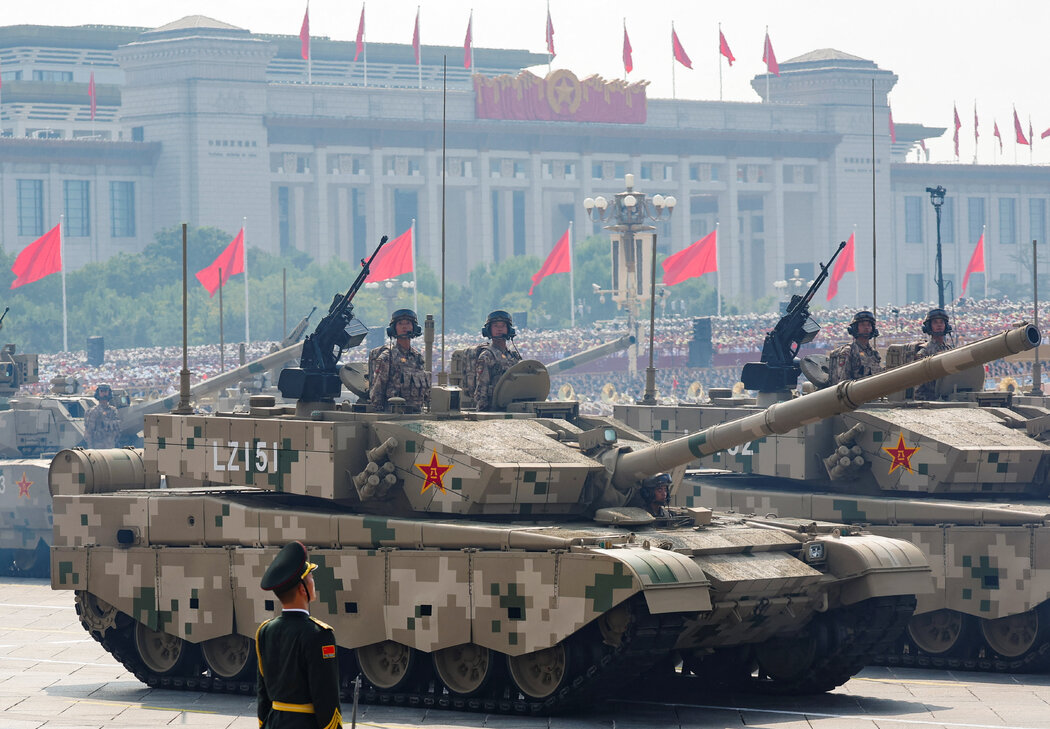
When Mr. Xi came to power in 2012, the Chinese military was plagued with an image problem as a hotbed of corruption. Senior commanders funded lavish lifestyles through bribery and embezzlement. Promotions were commonly up for sale. And military license plates were sold to civilians as they gave their owners near impunity on China’s roads.
2012年習近平開始執政時,中國軍隊深陷腐敗溫床的形象危機。高級指揮官通過受賄貪污維持奢靡生活,軍銜晉陞普遍存在買賣現象,軍用車牌更被轉售平民——這些車牌讓車主可以享受幾乎不受道路執法約束的特殊待遇。
Mr. Xi vowed to professionalize the P.L.A. and ensure that it answered to him as head of the party; he quickly removed rival factions led by commanders that were loyal to past leaders. A decade later, the house cleaning has only intensified, even ensnaring senior leaders who were handpicked by Mr. Xi. That includes Gen. He Weidong, who was third in China’s military hierarchy when he was expelled from the party on Oct. 17, accused of corruption and abuse of power.
習近平誓言要使解放軍專業化,並確保軍隊聽命於身為黨的最高領導人的他;他迅速清除了由效忠前任領導人的指揮官領導的派系。十年後,這場內部整頓愈演愈烈,甚至牽連到習近平親自提拔的高層將領。其中包括何衛東上將——這位曾位居中國軍方第三把交椅的將領於10月17日被指控貪腐和濫用職權,遭開除黨籍。
廣告
Other expelled generals included Adm. Miao Hua, who oversaw political discipline in the military and was placed under investigation last year. Another was Gen. Lin Xiangyang, who was in charge of the Eastern Theater Command, which is central to any war over Taiwan.
其他被開除的將領還包括負責軍隊政治紀律的苗華上將,他於去年接受調查。另一位是林向陽上將,他負責東部戰區司令部,該戰區是任何針對台灣的戰爭的核心。
Perhaps most troubling for Mr. Xi are the signs of corruption in the rocket force, which controls nearly all of China’s nuclear missiles and had been considered one of the crown jewels of the Chinese military. Since 2023, the branch has been rocked by a series of purges of senior commanders over corruption that have raised questions about its effectiveness. A Pentagon report last year said fraud in the rocket force led to problems involving the construction of underground missile silos.
對習近平而言,火箭軍腐敗跡象或許最令人憂心。該軍種掌控中國幾乎所有核導彈,被視為中國軍隊「皇冠上的明珠」。自2023年以來,火箭軍一直受到一系列高級指揮官腐敗整肅的震動,這引發了對其作戰效能的質疑。五角大廈去年的一份報告稱,火箭軍的貪腐行為導致了涉及地下導彈發射井建設的問題。
Analysts say the branch is ripe for corruption because it maintains one of the largest budgets in the Chinese military. Unlike warplanes and tanks, missiles are also rarely tested, increasing the difficulty in detecting malfeasance.
分析人士表示,火箭軍極易滋生腐敗,因為它掌握著中國軍隊中數一數二的預算。與戰機和坦克不同,導彈也很少進行測試,這增加了發現瀆職行為的難度。
Some analysts say corruption in the rocket force may also be fueled by skepticism that China will ever go to war. Were there a greater sense of urgency, they argue, there would probably be less chance that defense contractors would cut corners and military leaders would line their pockets.
一些分析人士說,火箭軍的腐敗也可能是源於對中國是否會走向戰爭的懷疑。他們認為,如果有更強烈的緊迫感,國防承包商偷工減料和軍方領導人中飽私囊的可能性可能就會降低。
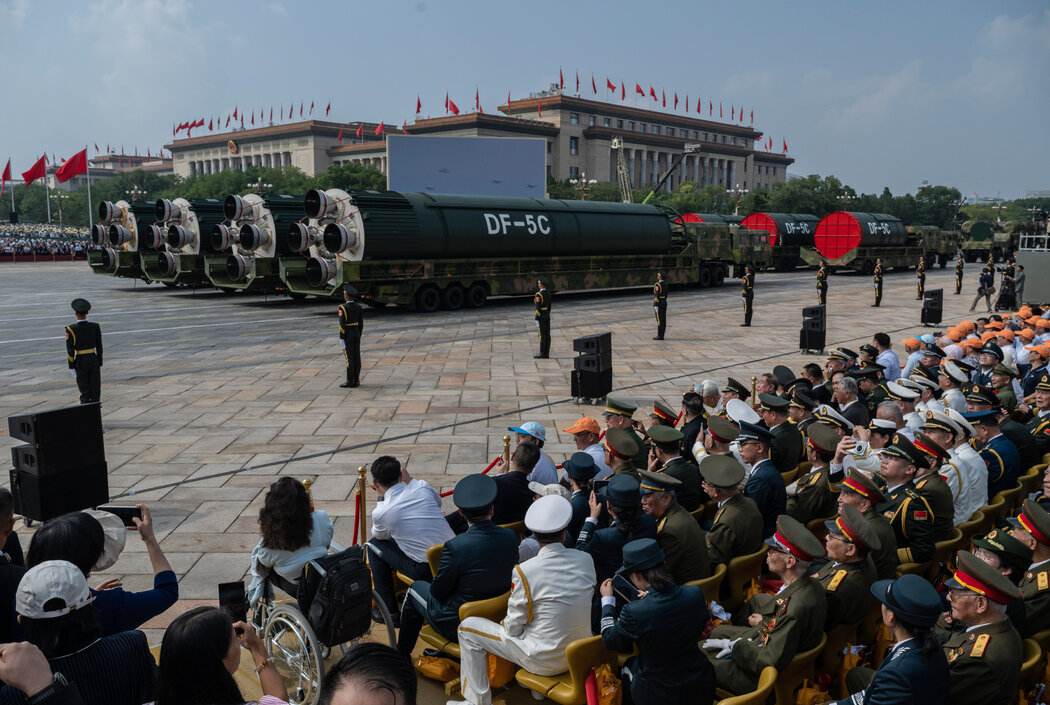
At the same time, China’s military modernization has been advancing apace. A military parade in Beijing earlier this year showed off some of the country’s latest drones, unmanned submarines and hypersonic missiles. Also displayed were the latest ICBMs, a reminder of China’s nuclear weapons buildup that could see the country nearly double its arsenal by 2030.
與此同時,中國的軍事現代化建設也在快速推進。今年早些時候在北京舉行的閱兵式上,展示了中國一些最新的無人機、無人潛航器和高超音速導彈。同時亮相的還有最新的洲際彈道導彈,展現了中國的核武器建設,到2030年,中國的核武庫可能會增加近一倍。

Even though both the American and Chinese militaries are undergoing high-level leadership changes, they each still have deep benches of senior officers to draw from, said Mr. Czin of Brookings.
布魯金斯學會的秦江南說,儘管中美兩國軍隊都在經歷高層領導的更迭,但兩國均擁有深厚的軍官儲備。
The question, though, is whether their leaders’ preoccupations are eroding focus on core missions: China’s drive to take Taiwan, and America’s effort to deter it.
但問題是,兩國領導層目前的關注焦點是否會削弱對中國奪取台灣的努力,以及美國對其遏制努力這一核心任務的重視。
廣告
Mr. Xi regards the United States as the chief obstacle in realizing his goal of unifying Taiwan with China. American intelligence officials have said that Mr. Xi has ordered that the Chinese military be capable of seizing the self-governed island by 2027, which will be the 100th anniversary of the founding of the P.L.A.
習近平將美國視為實現台灣統一目標的主要障礙。美國情報官員透露,習近平已下令,要求中國軍隊在2027年——即解放軍建軍百年之際——具備奪取該自治島嶼的能力。
The rocket force plays prominently in those plans. China has developed anti-ship missiles, known as “carrier killers,” aimed at blocking U.S. aircraft carrier groups from the battle zone in a conflict over Taiwan. It has also built hypersonic missiles designed to strike U.S. bases across the Pacific, including in Guam, the Philippines, South Korea and Japan.
火箭軍在這些計劃中佔有重要地位。中國研發了被稱為「航母殺手」的反艦導彈,以求在台灣衝突中阻斷美軍航母編隊進入戰場。同時還建造了可打擊關島、菲律賓、韓國和日本等太平洋沿岸美軍基地的高超音速導彈。
A bipartisan, congressionally appointed commission warned last year that China was surpassing the United States in military advantage in the Western Pacific because of two decades of focused investment. “Without significant change by the United States, the balance of power will continue to shift in China’s favor,” the Commission on the National Defense Strategy said.
一個由國會任命的兩黨委員會去年警告說,由於20年來的集中投資,中國在西太平洋正對美國建立軍事優勢。「如果美國不做出重大改變,力量平衡將繼續向有利於中國的方向傾斜,」國防戰略委員會表示。
For China, however, countering the U.S. military is the “first, second and third priority,” Mr. Czin said.
而對於中國來說,對抗美軍是「第一、第二和第三優先事項」,秦江南說。


