中國的「弗蘭肯斯坦」賀建奎:從聲名狼藉到「潛在資產」
China’s ‘Dr. Frankenstein’ Thinks Time Is on His Side

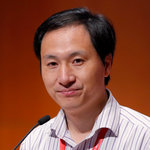
For creating the world’s first genetically edited babies, He Jiankui has been reviled as the Chinese Dr. Frankenstein. He was sent to prison for three years, convicted in China on charges of deceiving medical authorities.
But as China ramps up ambitions to become a biotechnology superpower, the disgraced researcher, 41, has not been muzzled or pushed into obscurity. Instead, he is living and speaking openly at his home in a government-backed research hub north of Beijing, boasting about his work and insisting his country is ready to embrace him.
然而,隨著中國大力推動成為生物技術超級大國,這位41歲聲名狼藉的研究員並未被噤聲或被迫隱遁。相反,他居住在北京北部一個政府支持的科研中心,言行公開,大肆誇耀自己的研究成果,堅稱祖國已準備好接納他。
He can’t travel abroad because his passport has been seized, but he has become a small, but outspoken figure in China’s biotech landscape, neither silenced nor fully rehabilitated. The question is why.
由於護照遭沒收,他無法出國,但在國內生物技術領域,他已成為一個雖小卻直言不諱的人物,既未被噤聲,也未完全恢複名譽。背後的原因耐人尋味。
“For a country that is adept at censorship and control, they are leaving him curiously unfettered,” said Benjamin Hurlbut, an associate professor in the University of Arizona’s life sciences department, who has known Dr. He for years.
「對於一個擅長審查與管控的國家而言,他們竟奇怪地放任他自由活動,」亞利桑那大學生命科學系副教授本傑明·赫爾布特說,他與賀建奎相識多年。
廣告
“In a period of increasing tension between China and the West, at a time when China really is making significant progress in technology,” he added, Dr. He is “not seen as a liability, but is apparently seen as a potential asset.”
他還說,「在中國與西方關係日益緊張之際,當中國科技領域取得重大突破之時」,賀建奎「並未被視為負擔,反而顯然被視為潛在資產」。
In an interview at his cavernous apartment, provided, along with a bodyguard, by a financial sponsor he declined to name, the Chinese scientist said there was a growing demand for researchers like him who are willing to push boundaries.
在一間寬敞的公寓裡(這套公寓連同一位保鏢均由一位不願透露姓名的資金贊助人提供),這位中國科學家接受了採訪。他表示,如今,對他這樣敢於突破科研邊界的研究人員的需求正不斷增長。
He said he had recently been offered a post by a government-funded medical academy in Shenzhen, the southern Chinese city next to Hong Kong where he worked until his arrest in 2019.
他表示近期收到深圳某政府資助醫學研究院的工作邀約。深圳是中國南部毗鄰香港的城市,他2019年被捕前正是在那裡工作。

Dr. He’s 2018 experiment in editing embryos, which produced twin girls and later a third baby from another set of parents, caused outrage around the world because so little is known about the safety and long-term health effects of altering genes in embryos. It also opened what many saw as a Pandora’s box on the road toward designer babies or eugenics.
2018年,賀建奎開展了胚胎基因編輯實驗,培育出一對雙胞胎女嬰,之後又幫助另一對父母孕育了第三個基因編輯嬰兒。這一事件在全球引發軒然大波,因為人類胚胎基因編輯的安全性及長期健康影響尚不明確,同時也被不少人認為開啟了定製嬰兒或優生學研究的潘多拉魔盒。
But unlike Silicon Valley billionaires looking for ways to breed smarter babies, Dr. He, who said his experiment was geared toward creating babies resistant to H.I.V. infection, insists his work aims only to prevent disease. “If anyone uses this for I.Q. enhancement, put the scientist in jail,” he said.
不過,賀建奎稱自己的實驗旨在培育能抵抗愛滋病毒感染的嬰兒,與那些一心想培育高智商嬰兒的矽谷億萬富翁不同,他堅稱自己的研究僅以預防疾病為目標。「要是有人用這項技術提升人類智商,就該把那個科學家送進監獄,」他說。
He said he has resumed his gene-editing research at a laboratory in Beijing, focusing on ways to eliminate Alzheimer’s disease, which his mother has, and Duchenne muscular dystrophy, or D.M.D., a hereditary neuromuscular disease. He added that he was experimenting only with mice, not humans.
賀建奎透露,他已在北京的一間實驗室重啟基因編輯研究,目前研究方向聚焦於消除阿爾茨海默病(他的母親患有此病)和杜氏肌營養不良症(一種遺傳性神經肌肉疾病)的方法。他補充道,目前實驗僅在小鼠身上進行,並未涉及人類。
廣告
Dr. He is unapologetic about his past work, saying he was merely ahead of his time. “People were not yet ready to accept what I was doing.”
對於自己過往的研究,賀建奎毫無悔意,他認為自己只是走在了時代前面。「當時人們還沒準備好接受我所做的事情。」
But this, he insisted, is changing, pointing to an opinion poll conducted by Sun Yat-sen University in Guangzhou showing overwhelming public support in China for gene editing to prevent disease — though not to increase I.Q. — and recent Chinese government regulations covering research on “new biomedical technologies.”
但他堅稱,這種情況正在改變。他援引廣州中山大學的一項民調數據稱,在中國,公眾對用於預防疾病的基因編輯技術支持率極高,只是不贊成用於提升智商;同時,中國政府近期出台的「新型生物醫藥技術」相關研究規範,也印證了這一變化趨勢。
He thinks that China’s push to become a world leader in science and technology means it is only a matter of time before he wins acclaim as a pioneer of gene editing, at least in China.
賀建奎認為,中國正全力成為全球科技領軍者,這意味著他獲得基因編輯領域先驅者的讚譽只是時間問題,至少在中國會是如此。
Dr. He’s work on human embryos, using a technique known as Crispr-Cas9, was not technically very difficult, said Mr. Hurlbut of the University of Arizona. But his move to implant them in women to create babies made him a “center of gravity for bigger moral and geopolitical issues that have come to orbit around him.”
亞利桑那大學的赫爾布特指出,賀建奎運用CRISPR-Cas9技術開展的人類胚胎研究在技術層面並不複雜。但他將編輯後的胚胎植入女性體內並培育出嬰兒,這使他成為了「圍繞他產生的重大道德與地緣政治議題的引力中心」。
While tight-lipped about his current affiliations, Dr. He is voluble about how Chinese biotech is racing ahead of research in the United States, which he sees as too tethered by ethical review boards, persnickety regulators and fear of the unknown.
賀建奎對自己目前的任職單位守口如瓶,卻滔滔不絕地談論中國生物技術如何超越美國研究——他認為美國過分受制於倫理審查委員會、吹毛求疵的監管機構以及對未知的恐懼。
“Chinese gene-editing will take over the world just like Chinese electric vehicles have already done,” he predicted.
他預言:「中國的基因編輯技術將像中國電動汽車一樣在全球佔據主導地位。」
A fusillade of accusations from American scientists that his past work in Shenzhen trampled on medical ethics, he said, show why the United States will lose out to China in biomedicine.
他表示,美國科學家對其深圳時期研究踐踏醫學倫理的連番指控恰恰證明美國將在生物醫藥領域敗給中國。

The air of mystery surrounding Dr. He extends to his personal life. Early in 2024, he married Cathy Tie, a Chinese-born Canadian biotech entrepreneur, only for the couple to split after she was denied entry to China in May.
賀建奎的個人生活同樣充滿謎團。2024年初他與華裔加拿大生物技術企業家鐵瑛結婚,但同年5月後者被拒入境中國,兩人隨即分手。
Ms. Tie, who runs a start-up called Manhattan Genomics that says it is working to develop “safe, ethical gene correction therapies,” shares Dr. He’s beliefs about China’s potential to drive the future of the technology.
鐵瑛經營著一家名為曼哈頓基因組學的初創公司,該公司宣稱致力於研發「安全、符合倫理的基因矯正療法」,她與賀建奎一樣,看好中國引領該技術未來發展的潛力。
廣告
She said the United States still had an edge, but she added that “China has historically had very fast execution in frontier technology, particularly in medicine. They benefit from less regulation.”
鐵瑛稱,美國目前在該領域仍保持領先,但她補充說:「中國在前沿技術領域向來執行力極強,在醫療領域更是如此。監管相對寬鬆使他們受益。」
She declined to discuss why she was barred from entering China, or to comment on a cryptic message she posted on X about the intense scrutiny she believes the field draws: “China thinks I’m a C.I.A. spy and the U.S. thinks I’m a C.C.P. spy.”
她拒絕談及自己被禁止入境中國的原因,也未回應自己在X平台發布的隱晦信息——該信息暗示該領域正遭受嚴密審查:「中國認為我是中情局間諜,美國則認為我是中共間諜。」
China’s top leader, Xi Jinping has set a goal of global leadership in science and technology by 2049, the centennial of the Communist Party’s seizure of power. The government is spending heavily on becoming a leader in what is known as “genetic manipulation technology.”
中國最高領導人習近平設定了到2049年(中國共產黨奪取政權100週年)實現全球科技領軍地位的目標。中國政府正投入大量資金,力求在「基因編輯技術」領域佔據領先。
In a 2019 speech to the Chinese Academy of Science, Mr. Xi decreed that “we must not let red tape tie the hands and feet of scientists, and endless reports and approvals delay the energy of scientists.”
2019年,習近平在對中國科學院的講話中明確指出:「不能讓繁文縟節把科學家的手腳捆死了,不能讓無窮的報表和審批把科學家的精力耽誤了!」
New regulations issued in September by the State Council, China’s cabinet, ban the modification of DNA in human reproductive cells like sperm, eggs or embryos — the kind of research Dr. He carried out before his arrest in Shenzhen.
國務院9月頒佈的新規禁止對精子、卵子或胚胎等人類生殖細胞進行DNA修改——這正是賀建奎博士在深圳被捕前開展的研究領域。
But they also seem to leave space for exactly this kind of work, stating that the State Council health department will oversee all research “manipulating human reproductive cells, zygotes or embryos and implanting them into the human body to allow them to develop.”
但新規似乎也為這類研究留下了操作空間,文件指出,國務院衛生部門將監管所有「對配子、合子、胚胎進行人工操作,以達到受孕目的」的研究項目。
Dr. He said the new rules were “ambiguous” about whether using such embryos to create a gene-edited baby might in future be permitted, but were still “a sign that China is opening up in this field.”
賀建奎表示,新規對於未來是否允許利用這類胚胎培育基因編輯嬰兒的規定「含糊不清」,但這仍是「中國在該領域逐步開放的信號」。

In another possible sign of that, Chinese scientists who in 2019 signed an open letter denouncing Dr. He’s work are now staying quiet. Messages sent by The New York Times to 20 of the signatories asking whether they stood by their previous denunciation all went unanswered.
另一個可能的開放信號是,2019年曾聯名發表公開信譴責賀建奎研究的中國科學家如今保持沉默。《紐約時報》向20位聯名者發送了問詢信息,核實他們是否仍堅持當初的譴責立場,但所有信息均未獲回覆。
Mr. Hurlbut, the Arizona scholar who works on medical ethics, said China’s scientific ambitions could explain why Dr. He “is not being treated like an ex-convict” and had been given free rein to express his boosterish views.
研究醫學倫理的亞利桑那大學學者赫爾布特稱,中國的科研雄心或許能解釋為何賀建奎「沒有被當作前罪犯對待」,還能自由發表那些鼓吹言論。
廣告
Dr. He said he was “very proud” of having created “healthy, beautiful babies” in Shenzhen — twin girls, whom he calls Lulu and Nana, and a third girl, Amy — for two couples. In all three cases, the father was H.I.V. positive.
賀建奎稱,他為曾在深圳為兩對夫婦培育出「健康、漂亮的嬰兒」(一對名為露露和娜娜的雙胞胎女嬰,以及另一名叫艾米的女嬰)而「深感自豪」。這三例嬰兒的父親均為HIV陽性攜帶者。
Where the girls are now is secret and their state of health has not been independently verified. “I’m not going to put them in a cage and let people take their blood and dissect them,” Dr. He said. “They are humans, so don’t treat them like mice.”
目前這幾名女孩的下落屬於機密,其健康狀況也未經獨立機構核實。「我不會把她們關起來,任由別人抽血解剖,」賀建奎說。「她們都是人,不能像對待小白鼠一樣對待她們。」
That at least some influential forces in the Chinese establishment look kindly on his work was already clear in November 2018, when news of the world’s first genetically-edited babies broke. The People’s Daily, the official mouthpiece of the Communist Party, published a story describing how twin girls had just been born from an embryo whose genes had been altered by Dr. He using Crispr.
早在2018年11月全球首例基因編輯嬰兒消息曝光時,中國體制內至少部分有影響力人士就已顯露出對其工作的認可。作為中共官方喉舌的《人民日報》刊文,講述了賀建奎如何運用CRISPR技術修改胚胎基因使一對雙胞胎女嬰誕生。

The newspaper hailed their birth “as a historic breakthrough for China in the application of gene-editing technology for disease prevention.”
《人民日報》將這件事譽為「中國在基因編輯技術用於疾病預防領域的歷史性突破」。
People’s Daily quickly deleted the article, published on the eve of an international conference on genome editing in Hong Kong, when attendees of the conference erupted in fury at news of what Dr. He had done.
這篇報導發表於香港國際基因組編輯會議召開前夕,會議參會人員得知賀建奎的研究後怒不可遏,《人民日報》隨即刪除了該報導。
The furor at the Hong Kong conference led some to label him China’s Dr. Frankenstein. That name, he said, was unfair because, unlike the fictional scientist and the monster he created, “I never killed anyone” and only “made parents very happy.”
香港會議上的軒然大波讓部分人給賀建奎貼上了「中國的弗蘭肯斯坦博士」的標籤。他認為這個稱呼有失公允,因為與小說中創造出怪物的科學家不同,「我從未害死任何人」,只是「讓那些父母非常欣喜」。
廣告
Though initially angry over the Frankenstein nickname, he has now come to embrace it, using it for a time in the biography atop his account on X.
起初,賀建奎對「弗蘭肯斯坦」這一綽號頗為不滿,但如今他卻欣然接受,還曾一度將其寫在社交平台X個人帳號的簡介中。
“I like the name now,” he said, because it shows “I have superpower.”
「我現在很喜歡這個名字,」他說,因為這表明「我擁有超能力」。