「我自由了」:一名穆斯林前中共官員的自白
‘I’m Free’: A Muslim Official Who Lost Faith in China Gains a Voice
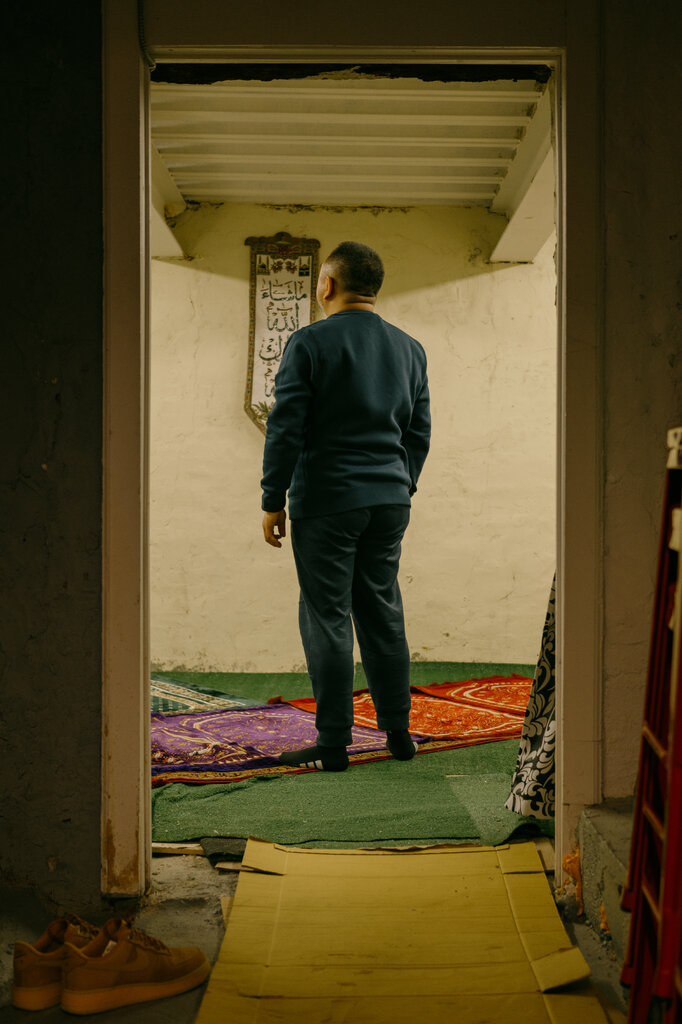
In the final years of his career as a Chinese Communist Party official, Ma Ruilin lived two lives.
在馬瑞林擔任中國共產黨官員的最後幾年裡,他過著兩種截然不同的生活。
During the day, he carried out policies that were used to control Muslims. In the evening, he visited a mosque to pray. To hide his identity from surveillance cameras, he wore a motorcycle helmet when he entered.
白天,他執行用於管控穆斯林的政策;到了晚上,他會去清真寺祈禱。為了在監控攝像頭前隱藏身份,他進去的時候會戴上摩托車頭盔。
Mr. Ma knew exactly how China’s surveillance systems worked — he helped design them.
馬瑞林對中國的監控系統如何運作了如指掌——這些系統的設計中就有他的參與。
“By day, my face looked exactly like one of my colleagues,” he said. “At night, I knelt on the prayer mat and became a different human being.”
「白天,我的面孔看起來和其他同事沒什麼兩樣,」他說。「到了晚上,我跪在祈禱墊上,就變成了另外一個人。」
廣告
For two decades, Mr. Ma was a midlevel party cadre in China’s religious affairs bureaucracy. A technocrat, he managed policies for Muslim communities and led hajj delegations to Mecca.
20年的時間裡,馬瑞林一直是中國宗教事務部門的中層黨員幹部。作為技術官僚,他負責管理針對穆斯林群體的政策,並帶隊前往麥加參加朝覲。
About 10 years ago, when the party intensified a crackdown on Islam, Mr. Ma, a member of China’s Hui Muslim minority, found it increasingly difficult to reconcile his conflicting identities.
大約十年前,隨著中共對伊斯蘭教的打壓力度加大,身為回族穆斯林一員的馬瑞林發現,越來越難以調和自己的身份衝突。
Now 50 and living in New York, Mr. Ma is determined to tell his life’s story despite the risks to himself and his family.
如今50歲的他居住在紐約,他決心講出自己的人生故事,儘管這可能給自己和家人帶來危險。
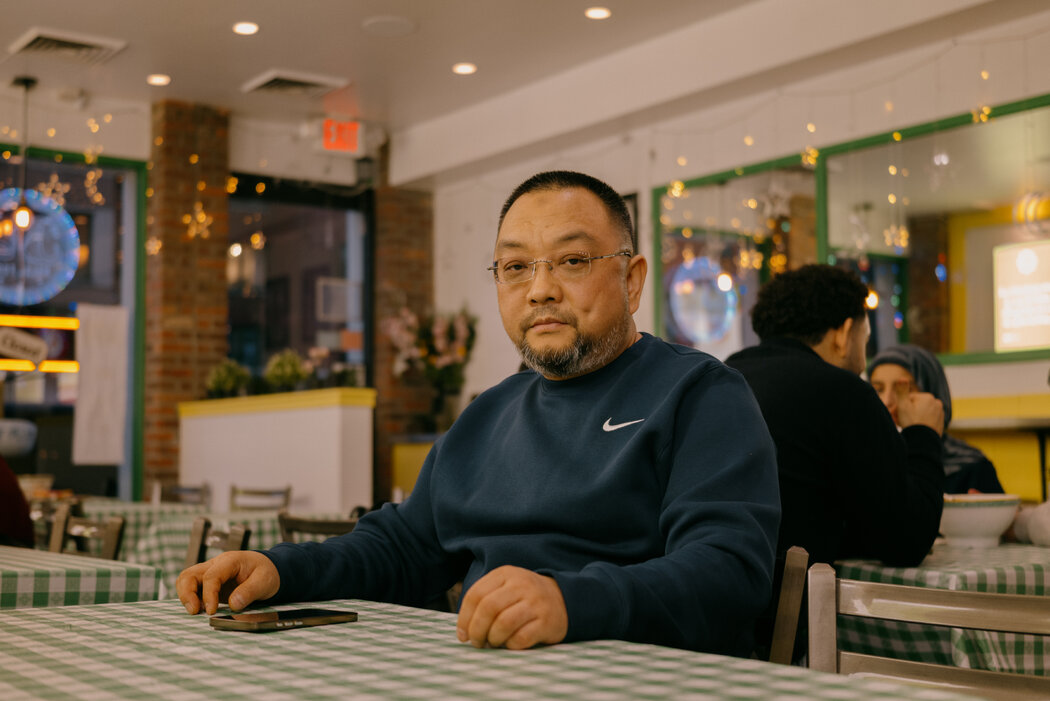
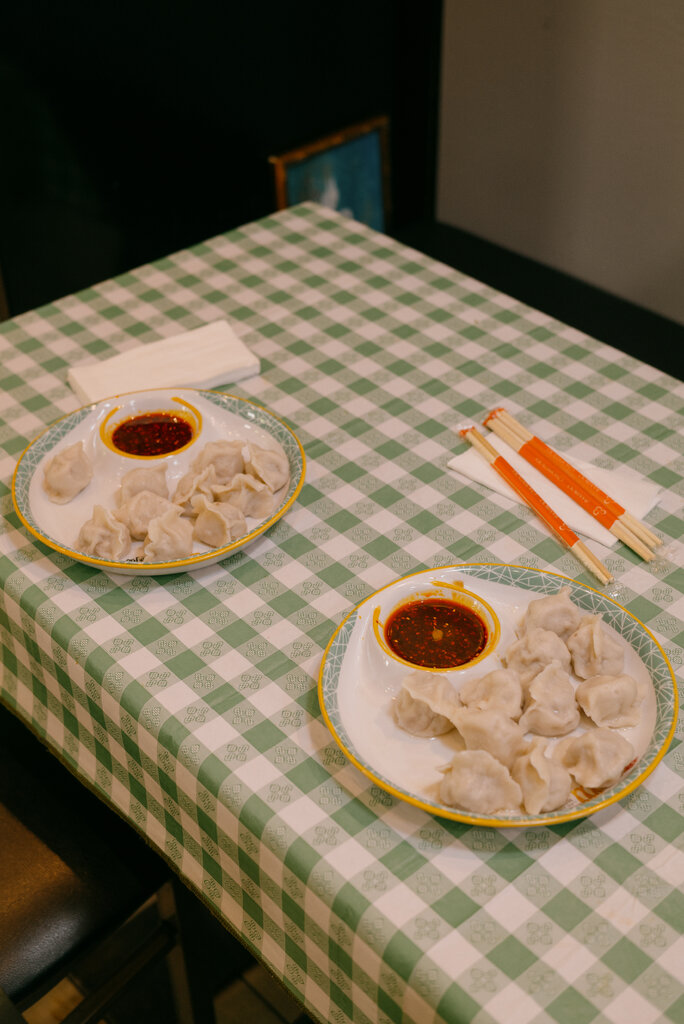
Sitting in the Midtown Manhattan halal restaurant where he now works as a manager, he was at ease with his new life.
坐在他如今擔任經理的曼哈頓中城一家清真餐廳裡,馬瑞林對自己的新生活顯得從容自在。
“I’m free,” he said. “Finally I’m at peace with myself.”
他說:「我自由了,終於與自己和解了。」
It is highly unusual for a Chinese party official — a member of the country’s ruling class — to emigrate to the United States. It is rarer still for someone like Mr. Ma to speak out against the system he served. His journey from cadre to critic, which he shared in a series of interviews with me, opens a window to the inner workings of how China controls religion.
作為中國統治階層中的一員,中共官員移民美國的情況極為罕見。而像馬瑞林這樣公開批評自己曾效力體制的情況更是稀少。在接受我的多次採訪過程中,他分享了自己從幹部到批評者的心路歷程,這段經歷也為理解中國如何管控宗教提供了一個內部視角。
The turning point came in 2015.
轉折點出現在2015年。
Mr. Ma was leading a hajj delegation as the head of the Islamic affairs division of the Gansu Provincial Religious Affairs Bureau. He experienced what he called a spiritual enlightenment. It was his fifth time to Mecca. Until that trip, he had been what he described as a cultural Muslim, not a religious one. To fit in with the party officials he worked with, he drank alcohol and rarely went to mosques.
時任甘肅省民委伊斯蘭教處處長的馬瑞林正率領朝覲團前往麥加。他經歷了一次自稱為「精神上的覺醒」。那是他第五次前往麥加。在此之前,他自認只是文化意義上的穆斯林,而非宗教信徒。為了融入幹部圈子,他飲酒,很少去清真寺。
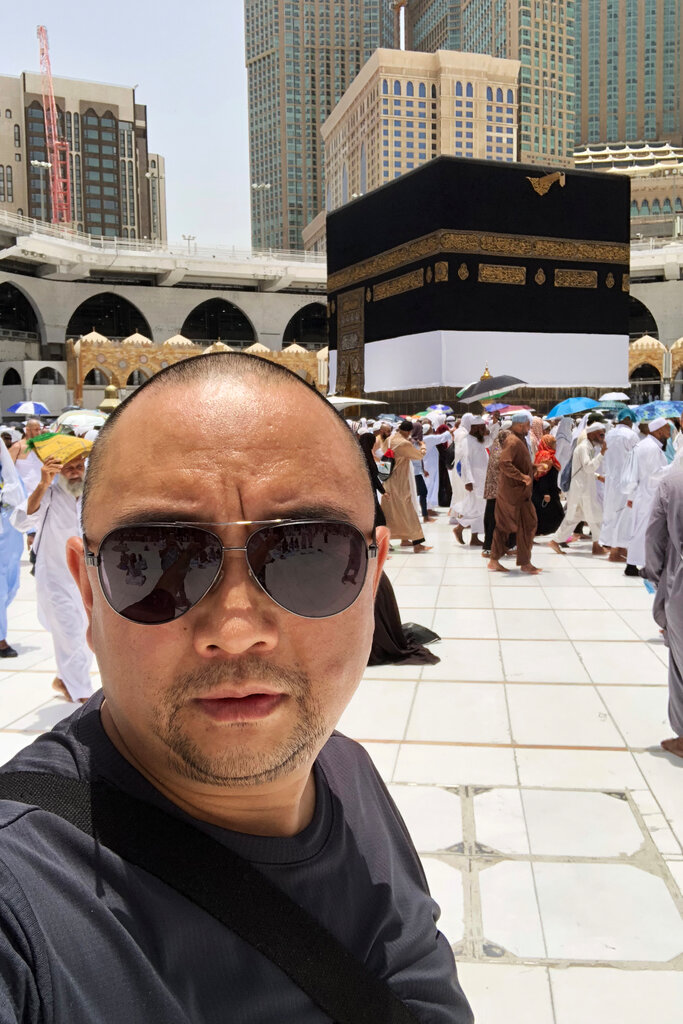
But something shifted inside of him that year, he said. He quit drinking and smoking and started praying regularly.
但他說,那一年自己的內心發生了變化。他開始戒煙戒酒,開始定時做禮拜。
He also started seeing his world, especially his work, differently.
他看待世界的眼光也隨之改變,尤其是對自己的工作。
廣告
“To be a successful cadre, you must have strong party loyalty but no humanity,” Mr. Ma said. “You are trained to view other human beings as objects to be managed or dictated over.”
「要成為一名成功的幹部,你必須對黨絕對忠誠,同時摒棄人性,」馬瑞林說。「你被訓練得將他人視為需要管控或支配的對象。」
He came to recognize what he called his “original sin” in assisting the party’s impulse to dominate Chinese society: He was one of many officials who helped Xi Jinping’s government develop a comprehensive mechanism of control, surveillance and exclusion directed at Muslims.
他逐漸意識到,在協助黨試圖全面主導中國社會的過程中,自己犯下了他所稱的「原罪」:作為眾多官員之一,他幫助習近平政府建立起一套針對穆斯林的全面控制、監控和排斥機制。
For example, in 2008, Mr. Ma helped design a database to track the locations and contact information of mosques, the names of their clerics and the size of their congregations, he said. No one had done this before, so he thought he could help give the government a better idea of religious institutions and activities in his vast province, which covers 1,000 miles from east to west. Plus, as a young, ambitious cadre, he wanted to show how smart and diligent he was.
他說,例如在2008年,他曾協助設計一個數據庫,用於追蹤清真寺的位置和聯繫信息、教職人員的姓名以及信眾規模。由於此前無人做過這樣的工作,他認為這能幫助政府在這個幅員遼闊、東西綿延1600公里的省份更好地掌握宗教機構和宗教活動。更何況,作為一名年輕有為的幹部,他也希望藉此展現自己的能力和勤奮。
Only later, as religious policy hardened, did he see how that system was weaponized.
直到後來,隨著宗教政策不斷收緊,他才看清這套系統如何被用作打擊工具。
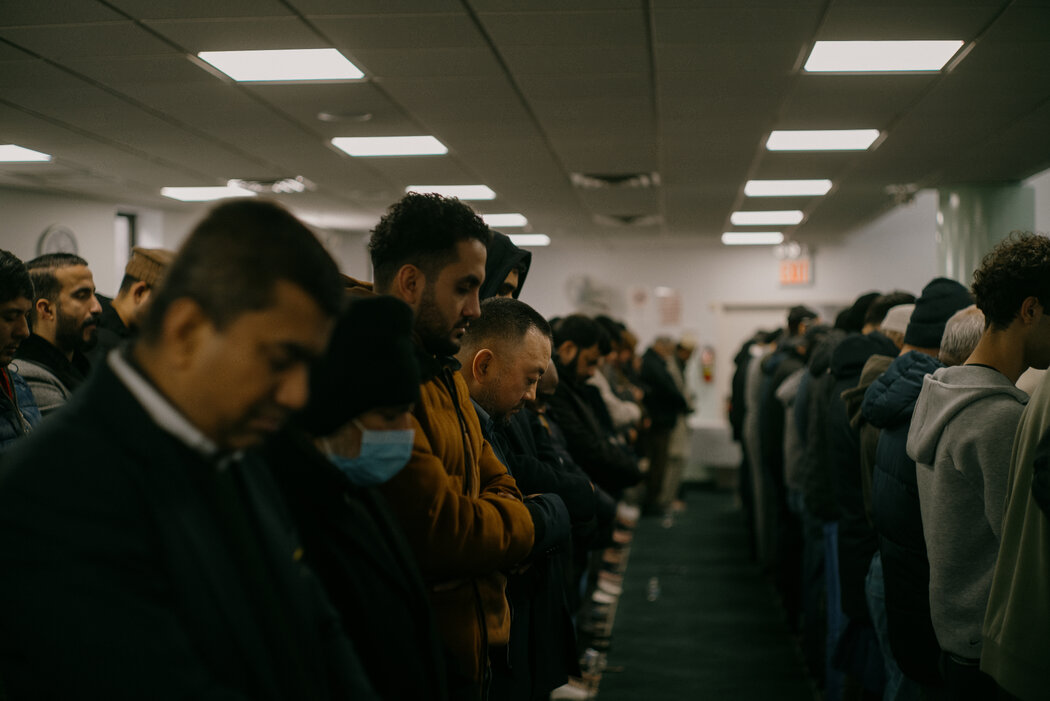
Worshipers were tracked by surveillance cameras installed at the entrances of mosques that used facial recognition software to collect data on who came, how often and with whom. The data was logged and analyzed, he said, with consequences that could include police interrogations, job loss, travel bans or even ideological re-education.
安裝在清真寺入口的監控攝像頭使用面部識別軟體收集禮拜者數據——來者的身份、來訪頻率,以及與誰同行。他說,經過記錄分析,這些數據帶來的後果可能包括警方問話、失業、限制出行甚至思想再教育。
“I realized that the very systems I helped build in 2008 had become shackles for Muslims,” he said. “I had handed a demon’s whip to the state to use against my own community.”
「我意識到,自己在2008年協助建立的系統竟成了穆斯林的枷鎖,」他說道。「我把惡魔的鞭子交到國家手中,用來對付自己的同胞。」
廣告
Around 2015, a wave of hate speech against Muslims filled the Chinese internet. Mr. Ma believed it was tolerated or even encouraged by the state, he said. He knew the government could easily shut down any online account or conversation with a single phone call. Yet anti-Muslim vitriol flowed freely.
2015年前後,中國的互聯網上掀起了攻擊穆斯林的風潮。馬瑞林表示,他認為國家容忍甚至鼓勵這些言論。他知道政府只需打一個電話,就能輕易地關閉任何網路帳號和網上言論。但針對穆斯林的惡毒攻擊卻不受限制地傳播。
The government’s objective, he believed, was to foment animosity and create a foundation of public support for policies like those that sent more than a million Uyghur Muslims in Xinjiang to re-education camps and prisons.
他認為,政府的目的在於煽動敵意,形成對相關政策的民意支持,比如將新疆的100萬以上維吾爾穆斯林送到再教育營和監獄的政策。
What pained him the most was a popular social media line that told Chinese Muslims to “go back to your ancestral home in the Middle East.”
最讓他感到痛苦的,是社群媒體上一句廣泛流傳的話,要求中國穆斯林「滾回你的中東老家去」。
“As far as I know,” Mr. Ma said, “my blood is entirely Chinese.” For the first time, he confronted his identity as a Hui official inside the system.
他說:「我自己查我自己的族譜,查出來就是往上七八代人全是中國人。」他第一次對自己在中國體制內的回族官員身份進行了思考。
China has 11 million Hui Muslims, who descend from Han Chinese and Silk Road immigrants who arrived in China over 1,000 years ago. They have a big presence in the northwest but also live in enclaves around China. The Hui look similar to the Han, who make up 91 percent of China’s total population and are largely secular.
中國有約1100萬回族穆斯林,其祖先既包括漢族,也包括1000多年前沿絲綢之路來到中國的移民。回族在中國西北地區人數眾多,但在全國各地也有分散聚居。回族在外貌上與漢族相似,漢族佔中國總人口的91%,整體上較為世俗化。
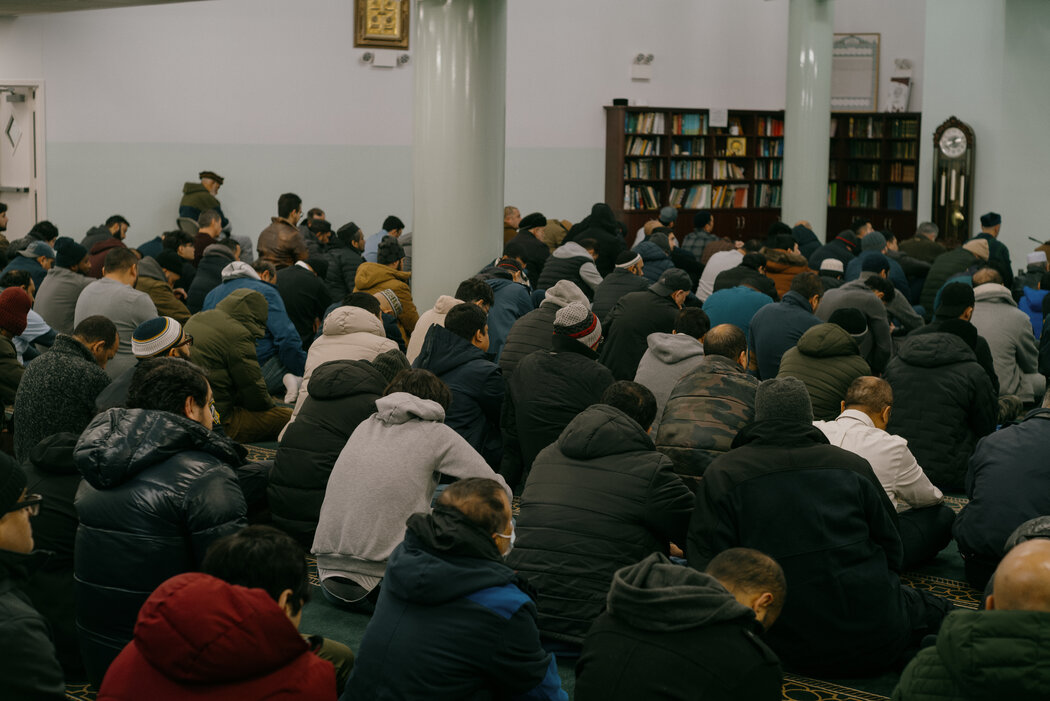
During the Mao era, all Chinese lived under strict ideological controls, so few dared to be outwardly religious. During the 1980s, the party relaxed its control over religion. Muslims built bigger mosques, and more went to services and pilgrimages. Under Mr. Xi, the party has tightened its control significantly, clamping down on Islam out of fear of terrorism and open defiance of its rule.
在毛澤東時代,所有中國人都生活在嚴格的意識型態控制之下,幾乎無人敢公開表達宗教信仰。到了上世紀80年代,中國共產黨放鬆了對宗教的控制。穆斯林修建了更大的清真寺,更多人開始參加禮拜和朝覲活動。習近平上台後,黨大幅收緊了控制,出於對恐怖主義以及公開挑戰其統治的擔憂,對伊斯蘭教展開了強力打壓。
In the small town in Gansu Province where Mr. Ma was born in 1975, Hui Muslims made up three-quarters of the population. His grandfather had been an elder in a local Islamic sect, but by Mr. Ma’s childhood, the family’s religious practice had weakened.
馬瑞林於1975年出生在甘肅的一個小城,當地人口中有四分之三是回族穆斯林。他的太祖父是中國一個伊斯蘭教派的教長,但到馬瑞林的童年時期,家族的宗教實踐已經明顯淡化了。
廣告
When he was in high school in the early 1990s, several of his teachers were college graduates who had been banished from cities to rural areas for participating in pro-democracy protests in 1989. They taught him to question things, and their criticism of the party planted seeds.
上世紀90年代初念高中時,他的幾位老師是因參與1989年民主運動從城市下放到農村的大學畢業生。他們教會了他質疑,他們對黨的批評在他心中埋下了種子。
In 1999, he graduated from university with a business degree and was assigned to a job as a low-level bureaucrat in a township outside Lanzhou, the capital city of Gansu Province.
1999年,他大學畢業,獲得商科學位,被分配到甘肅省會蘭州郊外一個鄉鎮擔任基層公務員。
Five years later, he was transferred to the provincial Ethnic Affairs Commission, a significant career jump. He was ambitious and worked hard, becoming a deputy division head in 2011.
五年後,他被調入省民委,這是一次重要的職業躍升。他雄心勃勃、工作勤奮,在2011年升任副處級幹部。
His social circle was almost entirely Han Chinese. He rarely went to mosques.
他的社交圈幾乎全是漢人,也很少去清真寺。
In 2016, Mr. Ma was appointed the head of the hajj office for Gansu Province. He was in charge of screening candidates for pilgrimage and leading delegations to Mecca. The trips were demanding, but Mr. Ma enjoyed going, he said, because he felt he was serving his people.
2016年,馬瑞林被任命為甘肅朝覲工作辦公室主任,負責篩選朝覲人選並帶團前往麥加。朝覲行程十分辛苦,但他說自己很享受這些出行,因為他覺得是在為自己的人民服務。
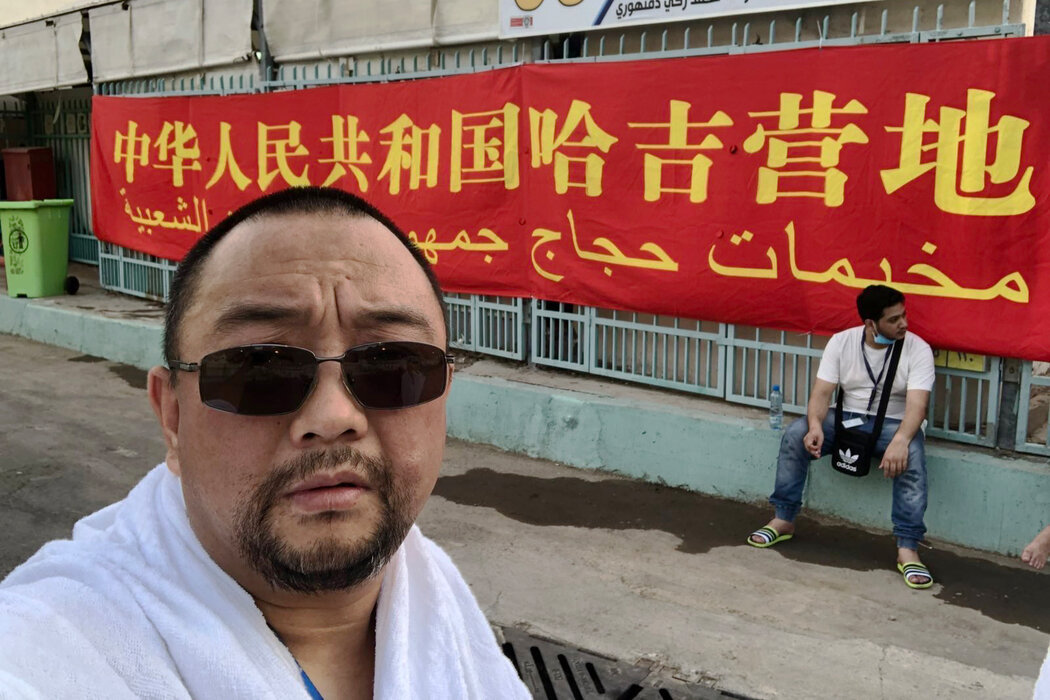
In a country with 25 million Muslims, only some 10,000 are allowed every year to go on the hajj — a mandatory religious duty for Muslims who are physically and financially able. In China, Mr. Ma said, the wait could be many years. He said he had created a queuing system to make the process fairer and more transparent.
在一個有2500萬穆斯林的國家,每年只有約1萬人被允許前往麥加朝覲——而朝覲是身心和經濟條件允許的穆斯林必需履行的宗教義務。馬瑞林說,在中國,等待朝覲可能需要很多年。他說,他曾經建立了一個排隊系統,使這一過程更公平、更透明。
But the authorities used the digital records to filter out pilgrims deemed unqualified, he said, such as those considered troublemakers, members of the party or recipients of welfare assistance.
但他表示,當局後來利用這些數字記錄來篩選出被認為不合格的朝覲者,例如那些被認為不聽政府話的人、黨員幹部或吃低保的人。
廣告
In 2016, after Mr. Xi called for the “Sinicization” of all religions at a national conference, the authorities intensified the campaign against Islam. They dismantled domes and minarets and banned public displays of Arabic script. That was also when mass detentions of Uyghur Muslims started.
2016年,在習近平於一次全國會議上提出要推動所有宗教「中國化」之後,當局加大了對伊斯蘭教的打壓力度,拆除穹頂和宣禮塔,禁止阿拉伯文出現在公開場所。也正是在這一時期,針對維吾爾穆斯林的大規模拘押開始出現。
Mr. Ma struggled with the role he was playing in these policies.
對於自己在這些政策中所扮演的角色,馬瑞林感到內心備受煎熬。
When the government decided to demolish a historic mosque in Lanzhou in 2022, he tried to argue internally that it could provoke a backlash from the Muslim community. On the trips to Mecca, he did not discourage pilgrims from visiting stores owned by Uyghurs in Saudi Arabia, ignoring a rule mandated by Chinese state security officials. He sometimes shopped at those stores, and he would even hire a Uyghur driver.
2022年,當政府決定拆除蘭州一座歷史悠久的清真寺時,他曾試圖在內部提出異議,指出此舉可能引發穆斯林群眾的不滿。在前往麥加的朝覲之旅中,他並未勸阻朝覲者前往沙烏地阿拉伯由維吾爾人經營的商店購物,儘管這樣做違反了國安部門的規定。他自己有時也會光顧這些商店,甚至還雇了一位維吾爾司機。
For nearly a decade, he lived two lives.
近十年的時間裡,他過著雙面人生。
He developed a lunchtime prayer routine at work. Around 1 p.m., when most of his colleagues were taking naps, a ritual in many Chinese government agencies, he would perform wudu — the ritual washing before prayer. Then he would lock his office door, spread a towel on the floor and pray.
他養成了利用午餐時間祈禱的習慣。下午一點左右,大多數同事午休時(這是中國許多政府機構的慣例),他會進行小凈,即祈禱前的儀式性清洗。然後他把辦公室的門從裡面反鎖,在地上鋪一條毛巾,開始祈禱。
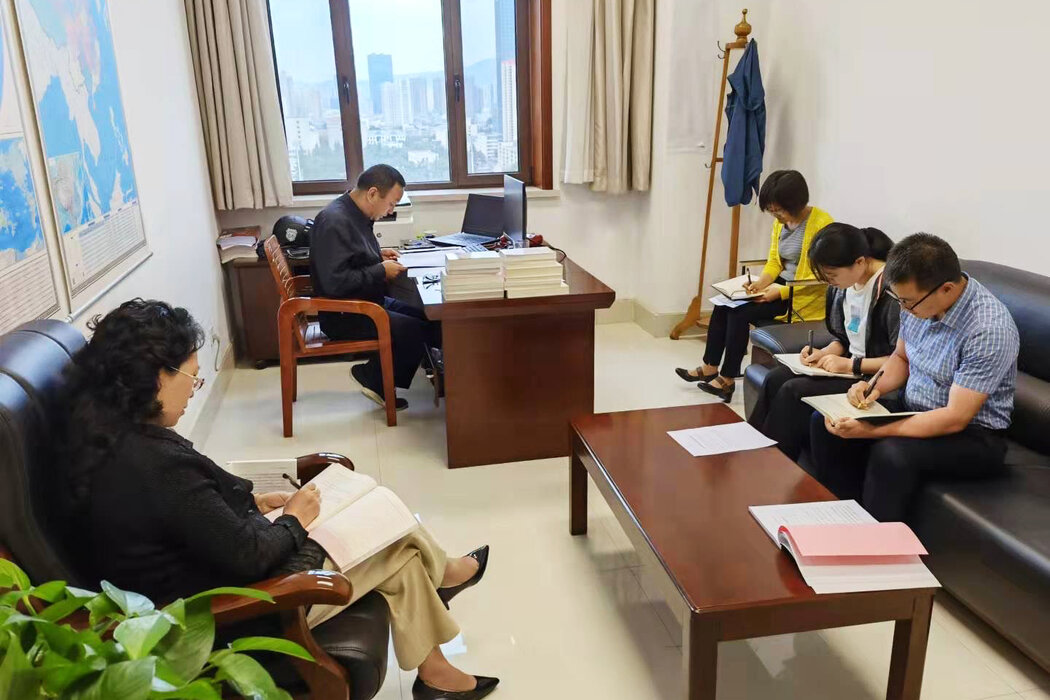
It got riskier to go to the mosque, however. By 2020, surveillance cameras had been installed at the entrance of every mosque in Gansu Province. Party members caught on camera at mosques would be reported to their work units and disciplined. That was when Mr. Ma started hiding his face behind a motorcycle helmet.
然而,去清真寺變得越來越危險。到了2020年,甘肅省所有清真寺的入口都安裝了監控攝像頭。黨員若被攝像頭拍到進入清真寺,就會被上報至所在單位,並受到紀律處分。也就是從那時起,馬瑞林開始戴上摩托車頭盔,以此來遮擋面部。
Finally, in 2023, after his wife took their two daughters to upstate New York, where she would work as a visiting scholar at a university, Mr. Ma saw a way out. He arrived in New York in February 2024.
最終,在2023年,他的妻子帶著兩個女兒前往紐約州北部擔任大學訪問學者,馬瑞林也看到了出路。他於2024年2月抵達紐約。
For 10 years, he’d had a recurring nightmare. He was standing in a landscape covered in filth, like an outdoor squat toilet. The bad dream stopped the day he arrived in America, he said.
十年來,他反覆做著一個噩夢。夢中他站在一片很骯髒的地方,像戶外的旱廁。他說,這個噩夢在他抵達美國的那一天停止了。
Mr. Ma worked briefly as an Uber Eats delivery driver. Last year, he moved to New York City to work at two halal restaurants owned and operated by Chinese Muslim immigrants.
馬瑞林曾短暫做過Uber Eats外賣員。去年,他搬到紐約市,在兩家由中國穆斯林移民擁有並經營的清真餐廳工作。
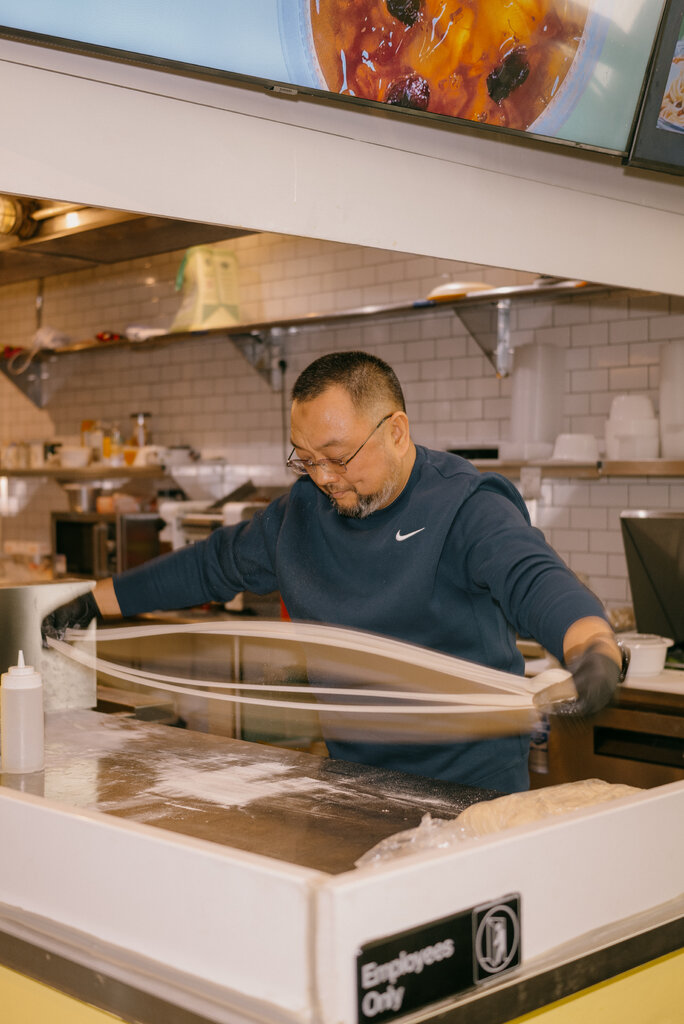
He said he had decided to speak up because he wanted other Hui Muslims who were despairing in darkness to know that they were not alone.
他說,自己決定站出來發聲,是因為他希望那些在黑暗中絕望的回族穆斯林知道,他們並不孤單。
He compared their experience to a memory of driving in the desert in Saudi Arabia at night, calling it hopeless. “There was no light, no stars, no landmarks, no reference points, just the small beam of your car’s headlights,” he said.
他把他們的處境比作自己曾在沙烏地阿拉伯的沙漠中夜間駕車的經歷,稱那是一種絕望的感覺。「沒有光,沒有星星,沒有地標,沒有參照物,只有汽車前燈投射出的那一小束光,」他說。
“Even if someone at the roadside lit a single match, just that flicker of flame could make me feel hope,” he said. “I want to be that match.”
「如果有一個人在遠方點燃一根火柴,都能給我帶來一點希望,」他說。「我想成為那根火柴。」


