'Super flu' wave hits hospitals in England with no peak yet

- Published
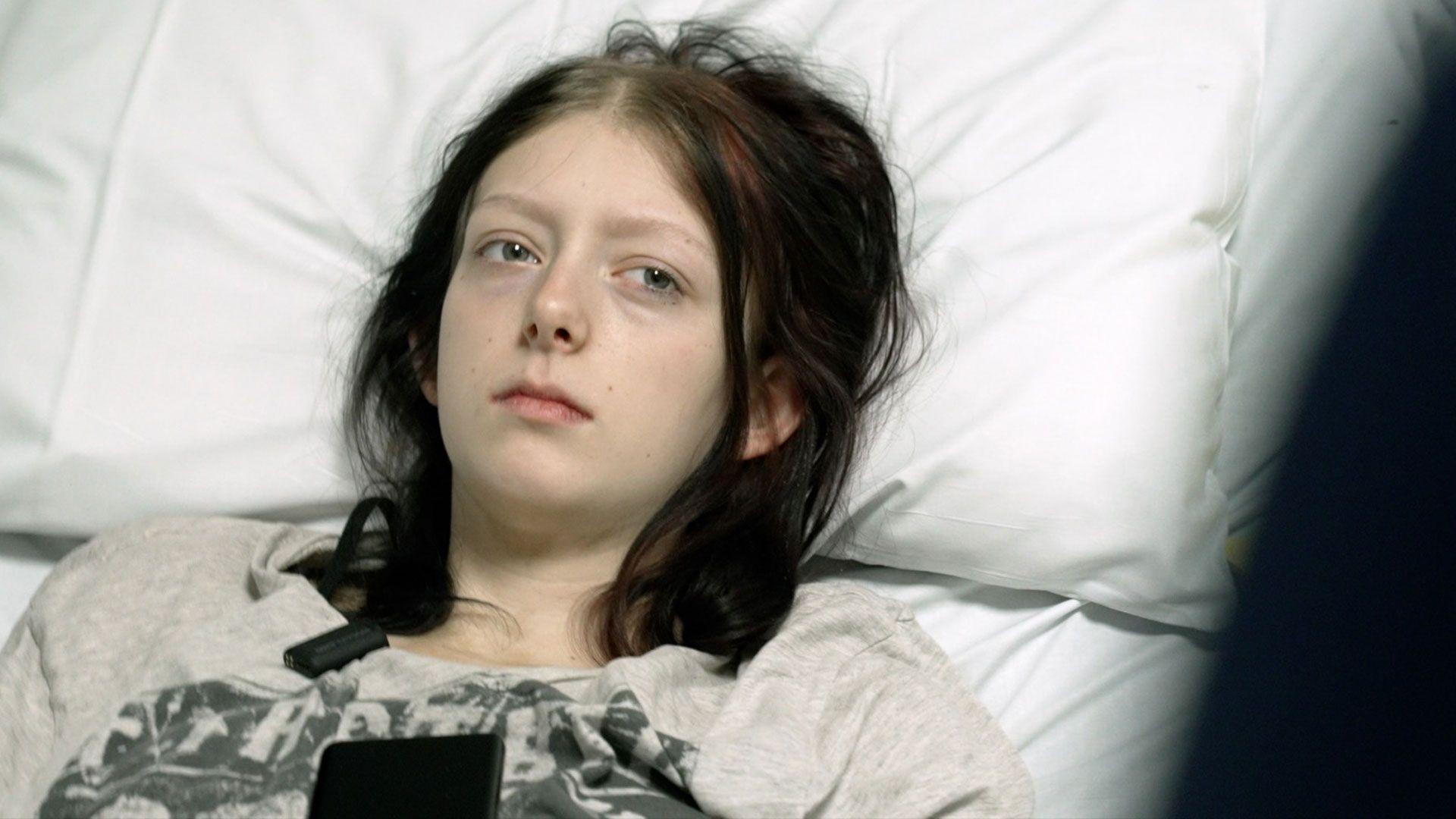
The number of patients in hospital in England with influenza has risen by more than 50% in the past week, with NHS bosses warning there is no sign of "super flu" peaking yet.
In the week up to Sunday there were 2,660 flu cases a day on average in hospital – and NHS England said the numbers had continued rising this week.
NHS England said it was the equivalent of having three hospitals full of flu patients, with some reporting nearly one in 10 beds occupied by patients with the virus.
Officials said the numbers had continued rising this week with fears it may top 5,000 by the weekend. Increases are also being reported in other parts of the UK.
Children and young people aged five to 14 had the highest positivity rates for flu in England.
But in terms of who is most affected or sickest, hospital admission rates for flu in England are highest among people over 75 and children under five.
NHS England medical director Prof Meghana Pandit said: "This unprecedented wave of super flu is leaving the NHS facing a worst-case scenario for this time of year – with staff being pushed to the limit to keep providing the best possible care for patients."
The numbers in hospital with flu is at its highest level at this time of year since records began - although they only date back to 2021 and so do not capture the two worst flu seasons of the past 15 years which were seen in 2014-15 and 2017-18.

Flu in four charts - how this year's winter outbreak is different
- Published2 hours ago
Why is flu so bad this winter - and should you buy a vaccine?
- Published2 hours ago
Is it a cold, 'super flu' or Covid? How to tell the difference
- Published3 days ago
Flu rates began rising a month earlier than normal this year driven by a mutated strain of the virus. The dominant strain is H3N2, but it has some genetic changes this year.
It means the general public has not encountered this exact version of flu before, which means there is maybe less immunity.
NHS England said the number of patients in hospital with the vomiting bug norovirus was also on the rise, with more than 350 beds occupied by people with that virus.

It comes ahead of a strike by resident doctors, the new name for junior doctors, which is due to start next week.
There are hopes it may be called off after a fresh offer from Health Secretary Wes Streeting prompted the British Medical Association to agree to poll their members to see if they were willing to call off the five-day walkout that is due to begin on Wednesday. The results of that poll will be be announced on Monday.
Prime Minister Sir Keir Starmer accused the BMA of being "irresponsible" and said it should accept the offer on the table, adding the offer can only go forward if they stop strike action "particularly in the run-up to Christmas, particularly when we've got a problem with flu."
Daniel Elkeles, of NHS Providers, which represents hospitals, said: "The NHS is in the thick of a storm come early. Flu is hitting hard and other winter bugs are surging.
"Now more than ever, the NHS needs all hands on deck.
"We have to hope that BMA resident doctors will step back from next week's strike, take up the government's sensible offer and end their damaging dispute."
Buckling system
Data from the UK Health Security Agency (UKHSA), which takes into account levels of infection in the community as well as hospitals, shows infection rates are continuing to rise, but not as sharply as they were in the previous week.
But officials stressed it was too early to take that as a sign that flu could be peaking.
They said the virus was unpredictable and a lull could be followed by another surge.
Dr Conall Watson, an infectious diseases expert at the UKHSA, urged people who are eligible for a free flu vaccine on the NHS, which includes the over 65s, those with certain health conditions and pregnant women, to still come forward if they had not yet got one.
"There is still plenty of flu vaccine available to protect those who need it – what's running out is time to be protected ahead of Christmas.
"If you are eligible this is the last chance to get protected as we head into Christmas – so make an appointment with the NHS today."
It can take up to two weeks following vaccination to develop the fullest protection from the jab, Dr Watson added.
Dr Vicky Price, president of the Society for Acute Medicine, said winter viruses were placing further strain on an "already buckling system".
She said patients were facing long waits in A&E as hospital staff were being overloaded with patients.
But she accused NHS England and the government of using it as a "convenient scapegoat" for the "predictable breakdown" in NHS capacity caused by workforce shortages.
"The situation in emergency departments has become so dire that what was once considered a critical incident is now seen as normal and routine. What is happening is not an isolated emergency, but the culmination of systemic failure."
- Published19 hours ago